Car tinting has moved well beyond a simple heat and glare fix. The films, application methods, and legal standards shaping automotive tinting in 2026 are more advanced than what most drivers experienced even a few years ago, and that shift is changing what you should expect from a quality car tint installation.
Whether you're tinting a daily driver, a family SUV, or a Tesla, understanding what's actually changed in the industry helps you make a smarter decision, not just a cheaper one.
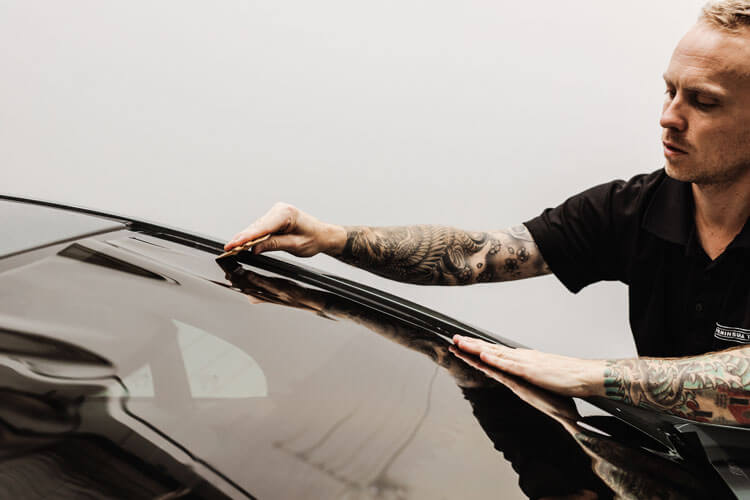
Quick answer: The biggest car tinting trends in 2026 are ceramic and infrared-blocking films, smarter compliance with Australian tint laws, faster and cleaner installation processes, and tailored options for electric vehicles like Tesla. Together, these shifts mean better heat rejection, clearer visibility, and longer-lasting results than older dyed or basic film options.
The Shift Toward Ceramic and Infrared-Rejecting Films
Dyed film used to be the default option for most car window tinting jobs. It's cheap, but it fades, and it does very little against heat. In 2026, ceramic window tint film has become the standard for drivers who actually want performance, not just a darker look.
- Ceramic film blocks heat without blocking signal. Unlike older metallic films, ceramic doesn't interfere with GPS, radio, or mobile reception, which matters more than ever with connected and electric vehicles.
- Infrared rejection is now a headline feature. Quality films marketed in 2026 are rated on how much infrared heat they block, not just visible light, since infrared is responsible for most of the heat you feel inside a parked car.
- Colour stability has improved significantly. Ceramic and nano-ceramic films resist the purple or bubbling fade that plagued older dyed films, so the tint you install this year should still look sharp in five years.
- UV protection is close to total. Most reputable films now block 99% or more of UV rays, which matters both for interior fading and for skin protection on longer drives.
This is where the price difference between a basic tint and a premium one actually shows up. Cheaper film might look identical on day one, but the performance and lifespan gap becomes obvious well before the warranty period ends.
Tesla and EV-Specific Window Tinting Is Its Own Category Now
Electric vehicles, and Tesla in particular, have pushed automotive tinting suppliers to rethink film design entirely. Battery-powered cars rely more heavily on climate control efficiency, since running the air conditioning harder draws directly from range.
- Heat rejection directly affects EV range. A car that stays cooler needs less air conditioning to reach a comfortable temperature, which means less battery drain on hot days, a genuinely practical reason to invest in quality tint on an EV.
- Tesla window tinting Melbourne demand has grown alongside EV adoption. As more Teslas and other EVs hit Australian roads, tint installers have adapted their processes to the specific glass curvature and sensor placement unique to these vehicles.
- Sensor and camera compatibility matters. Tesla's cameras and sensors sit close to the glass, so installers now need to account for tint placement around these components to avoid interference with driver-assist features.
- Panoramic and curved glass changes the installation approach. Tesla's large panoramic roofs and steeply curved rear windows require more precise film cutting and heat shaping than a standard sedan, which is part of why EV-specific tinting has become its own specialisation within the trade.
If you're getting a Tesla or another EV tinted, it's worth asking your installer directly about their experience with that particular model, since not every shop has adapted its process for these vehicles yet.
Compliance and Legal Tint Levels Are Getting More Attention
Australian tint laws vary by state, and enforcement has become noticeably more consistent in recent years. That's shaped how reputable installers approach every car window tinting job in 2026.
| Trend | What It Means for You |
|---|---|
| VLT compliance checks | Reputable installers now confirm legal Visible Light Transmission percentages before install, not after |
| State-specific rules | Films are selected and cut according to the exact legal limits for your state, not a generic Australian standard |
| Documentation | Some installers now provide compliance certificates or documentation with the film specs used |
| Front windscreen limits | Stricter attention to windscreen strips and front side windows, where most fines are issued |
Callout: Getting pulled over for illegal tint isn't just a fine risk, it can mean being ordered to remove the film entirely at your own cost. A reputable car tinting business will tell you upfront if what you're asking for isn't road legal, rather than installing it anyway.
Faster Installation and Better Curing Processes
Application technology has improved alongside the films themselves. Better adhesives and application techniques mean less time in the workshop and a cleaner result.
- Pre-cut film templates have become standard. Rather than hand-cutting film on the vehicle, most installers now use computer-cut templates matched to your exact make and model, reducing errors and wastage.
- Application is cleaner with fewer bubbles. Improved adhesive technology means fewer air pockets forming during application, which used to be one of the most common complaints with older film types.
- Tint curing time has become a key question for customers. Depending on film type, weather, and window type, curing time can range from a few days to a couple of weeks. Ceramic films often need slightly longer to fully cure than dyed film, though they bond more securely once cured.
- Aftercare advice has become more specific. Installers are now clearer about not winding windows down or using ammonia-based cleaners during the curing period, since this directly affects how long the finish lasts.
What This Means If You're Getting Your Car Tinted in 2026
If you're comparing quotes for car tinting Mornington Peninsula wide, the film brand and installer experience matter more than the sticker price. A cheap dyed film job might look the same as a ceramic install on the day, but the difference shows up in heat rejection, clarity, and how the tint looks in a year or two.
Ask specifically about the film type, its heat rejection rating, expected curing time, and whether the installer has experience with your vehicle type, especially if you're driving a Tesla or another EV.
Get Expert Car Tinting Done Right the First Time
Car tinting technology has changed enough in the last few years that "just get it tinted" isn't really a strategy anymore. The right film, the right installer, and the right compliance knowledge make the difference between a job that lasts and one you'll be redoing within two years.
Peninsula Tint & Paint Protection brings over 17 years of experience to every car window tinting job, backed by a workmanship and manufacturer's lifetime warranty and a dust-free tinting studio built to avoid the bubbles and bungled applications that come with rushed, high-volume tint shops. Whether you're after ceramic film for a standard vehicle or specialist Tesla window tinting Melbourne drivers trust for EV glass and sensor compatibility, our team has the technology and experience to match. Servicing Bayside and the Mornington Peninsula, pop into our studio or get in touch with the team for expert advice tailored to your vehicle.
Get in touch with Peninsula Tint & Paint Protection today to talk through the best film and installation approach for your vehicle.
FAQ's
What are the latest car tinting trends in 2026?
The biggest car tinting trends in 2026 include ceramic and infrared rejecting window films, improved heat rejection, computer cut film templates, faster installation methods, and specialised automotive tinting solutions for electric vehicles such as Tesla. These advancements improve comfort, durability, and long-term performance.
Why is ceramic film becoming the preferred choice for car window tinting?
Ceramic window tint offers superior heat rejection, blocks up to 99% of harmful UV rays, and won't interfere with GPS, mobile, or radio signals. Compared to traditional dyed films, ceramic tint lasts longer, resists fading, and provides better overall performance for modern vehicles.
Is Tesla window tinting different from standard car tint installation?
Yes. Tesla window tinting requires specialised installation techniques due to the vehicle's panoramic glass roof, curved rear windows, and integrated cameras and sensors. Professional installers experienced in Tesla window tinting ensure the film is fitted correctly without affecting driver assistance systems.
How long is the tint curing time after car window tinting?
Tint curing time typically ranges from three days to four weeks, depending on the film type, weather conditions, and humidity. During this period, avoid lowering the windows and follow the installer's aftercare instructions to ensure the tint adheres properly.
What should I look for when choosing a car tinting installer?
Choose an installer with experience, premium window films, computer cut templates, and knowledge of Australian tint regulations. It's also important to ask about warranties, tint curing time, and whether they have experience with specialised vehicles, including Tesla models.