A professionally applied ceramic coating should do more than make your vehicle look glossy. It should provide long-lasting protection against Australia's harsh climate, making your paintwork easier to clean while helping to resist UV damage, road grime, bird droppings, and other environmental contaminants.
However, not every car ceramic coating delivers the results drivers expect. If the preparation is rushed or the application process is poorly executed, even a premium product can fail within months.
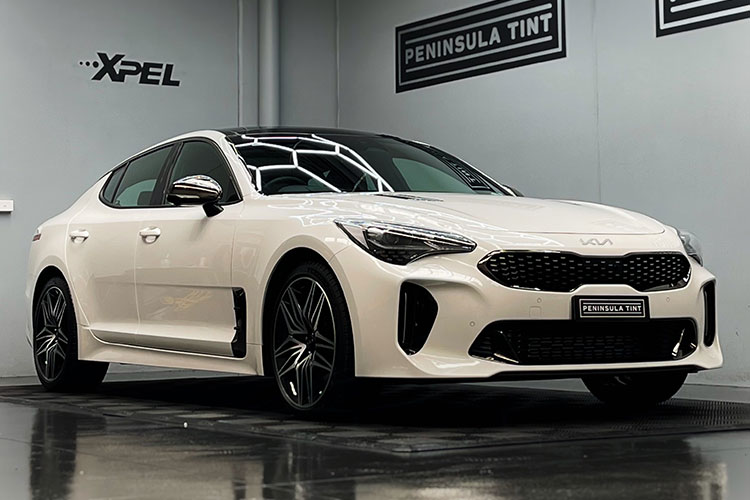
As demand for ceramic coating services continues to grow across Australia, more vehicle owners are investing in long-term paint protection. At the same time, the increasing popularity of ceramic coatings has led to a rise in inexperienced installers offering lower-cost applications without following the correct preparation or curing process. According to industry research, Australia's ceramic coating market continues to expand alongside growing demand for automotive protection products, highlighting the importance of choosing experienced professionals over the cheapest quote.
The good news is that a poor application usually leaves clear warning signs. Recognising these issues early can save you from expensive paint correction and ensure your vehicle receives the protection you originally paid for. Here are five signs your ceramic coating may have been applied incorrectly and what you should do next.
1. Car Ceramic Coating Doesn't Bead Water Properly
One of the biggest reasons people invest in car ceramic coating is its hydrophobic performance. A properly applied coating causes water to form tight beads that roll off the surface, carrying dirt and contaminants away with it.
If water spreads across the paint, sits flat, or leaves large wet patches after washing, the coating may not have bonded correctly. This problem is usually caused by one of two issues:
- The surface wasn't properly decontaminated before application.
- The coating was applied too thinly or wasn't allowed to cure correctly.
Professional ceramic coating services always begin with a thorough wash, chemical decontamination, and, where necessary, paint correction. Ceramic coatings bond directly to clean paint. If wax, grease, polishing oils, or industrial fallout remain on the surface, the coating bonds to those contaminants instead of the paint itself, dramatically reducing its performance and lifespan.
A simple test is to pour clean water over the bonnet or roof of the vehicle. Healthy coatings create small, tight water beads that move quickly across the surface. If the water simply sheets across the panel or remains in place, it's worth having the coating professionally inspected.
2. Auto Ceramic Coating Shows Streaks, Hazing, or Cloudy Patches
Your vehicle should look consistently glossy from every angle after an auto ceramic coating has fully cured. If you notice cloudy areas, streaks, or hazy patches in direct sunlight, something has likely gone wrong during the application process. Common causes include:
- Applying the coating in a dusty or humid environment.
- Leaving excess product on the paint before levelling.
- Using poor-quality products or incorrect application techniques.
- Allowing the coating to cure unevenly.
These imperfections are more than cosmetic. They indicate the coating hasn't cured evenly across the paintwork, reducing both appearance and long-term durability.
Professional installers apply ceramic coatings indoors where temperature, humidity, and dust levels can be carefully controlled. This controlled environment significantly reduces the risk of contamination during curing and helps ensure an even finish across every panel.
If hazing appears shortly after application, don't attempt to remove it with household polish or abrasive products. In many cases, correction requires professional machine polishing before the coating can be reapplied correctly.
3. High Spots Are a Sign of Poor Ceramic Coating Services
High spots are one of the clearest indicators of an inexperienced installer. These dark, oily-looking patches occur when excess ceramic coating isn't levelled before it hardens. Unlike fingerprints or watermarks, high spots remain visible regardless of how often the vehicle is washed.
Many owners mistakenly believe adding another layer of coating will hide the problem. Unfortunately, it usually makes the finish worse.
Correcting high spots normally requires controlled machine polishing to remove the hardened coating before the affected area can be recoated. Attempting this with DIY polishing equipment can damage the vehicle's clear coat, leading to much more expensive repairs. This is why choosing experienced ceramic coating services is far more cost-effective than fixing a poor application afterwards.
4. Ceramic Coating Melbourne Drivers Shouldn't Ignore Peeling or Flaking
A professionally applied ceramic coating is designed to protect your vehicle for years, not months. If you notice the coating peeling, flaking, or lifting shortly after application, it's a strong indication that the coating never bonded correctly to the paint.
This issue is almost always caused by inadequate surface preparation or contamination left on the paint before the coating was applied. Instead of bonding directly to the clear coat, the ceramic coating attaches to dirt, wax, polishing oils, or other residues, causing it to fail prematurely.
For ceramic coating Melbourne vehicle owners, Australia's harsh conditions make proper bonding even more important. High UV exposure, road grime, coastal salt, and changing weather conditions place additional stress on poorly applied coatings, accelerating their deterioration.
Once peeling begins, the protective barrier is compromised, allowing contaminants to come into direct contact with the paintwork. Left untreated, this can lead to permanent staining and increased paint correction costs.
5. Staining May Mean the Coating for Ceramics Has Failed
A correctly applied ceramic coating creates a protective layer between your vehicle's paint and everyday contaminants. Bird droppings, tree sap, bug splatter, industrial fallout, and water spots should remain on the surface long enough to be safely removed during routine washing.
If stains appear to have etched into the paint rather than sitting on top of the coating, the protective layer may never have fully cured or bonded correctly. While the keyword coating for ceramics is often used broadly, the same principle applies to automotive ceramic coatings. Their performance depends on proper preparation, application, and curing rather than the product alone.
If contamination begins damaging the paint within the first few months, it's worth having the coating professionally inspected before further deterioration occurs.
Why Professional Ceramic Coating Services Matter More Than the Product
One of the biggest misconceptions among vehicle owners is that choosing an expensive car ceramic coating automatically guarantees better results. In reality, even premium products can fail when the application process is rushed.
Professional ceramic coating services follow a structured process designed to maximise durability and performance. This generally includes:
- Thorough washing and chemical decontamination.
- Paint correction to remove swirl marks and minor imperfections.
- An isopropyl alcohol wipe to remove polishing oils.
- Controlled indoor application.
- Appropriate curing time before the vehicle is exposed to the elements.
Skipping any of these steps increases the risk of poor bonding, reduced durability, and an uneven finish. At Peninsula Tint, every vehicle is carefully assessed before application because preparation is the foundation of long-lasting paint protection.
The Real Cost of a Poor Ceramic Coating Application
A poorly applied ceramic coating costs far more than the original installation. Correcting high spots, hazing, or bonding failures often requires machine polishing before a new coating can be applied.
If DIY correction damages the vehicle's clear coat, repair costs increase significantly. Choosing experienced ceramic coating services from the beginning is almost always more cost-effective than repairing a failed application later.
Rather than focusing solely on price, look for businesses that explain their preparation process, provide workmanship guarantees, and can demonstrate previous results. These factors are often far better indicators of quality than the coating brand alone.
How to Fix a Poorly Applied Ceramic Coating
If you notice any of the warning signs discussed above, avoid applying another layer of coating over the existing surface. Instead, the process should follow these steps:
- Inspect the vehicle under proper lighting to identify coating failure.
- Safely remove the failed coating through professional machine polishing.
- Complete any necessary paint correction.
- Reapply the ceramic coating following the correct preparation and curing process.
Trying to shortcut this process usually results in repeated failures and unnecessary expense.
Questions to Ask Before Booking Ceramic Coating Services
Before choosing an installer, ask a few important questions:
- Do you perform paint correction before applying the coating?
- Is the coating applied indoors in a controlled environment?
- How long does the complete application and curing process take?
- Do you provide a workmanship warranty?
- Can you show examples of previous ceramic coating projects?
Professional installers should have no hesitation answering these questions and explaining their process.
Get Long-Lasting Ceramic Coating Drivers Can Trust
If you're considering car ceramic coating or you're concerned your current coating wasn't applied correctly, choosing an experienced installer makes all the difference.
At Peninsula Tint, every vehicle receives a detailed inspection, professional paint preparation, and application in a controlled indoor environment. Our focus is on delivering long-term protection rather than quick turnaround times, helping Melbourne drivers protect their vehicles from Australia's demanding conditions.
Whether you're investing in your first ceramic coating or need professional advice on a previous application, our team is here to help. Contact Peninsula Tint today to arrange an inspection or learn more about our professional ceramic coating services.
Frequently Asked Questions
How long does car ceramic coating last?
A professionally applied car ceramic coating generally lasts between two and five years, depending on the product used, driving conditions, and how well the vehicle is maintained. Regular washing and proper maintenance will help maximise its lifespan.