You've probably seen the videos. Someone pours a bit of liquid onto an applicator cloth, wipes it over a bonnet, and thirty seconds later the paint looks like glass. It looks easy. Buy a kit, follow the steps, get the same result as a professional job, right?
Ceramic coatings have become one of the most talked-about forms of paint protection for Australian car owners, and it's easy to see why. A good coating adds gloss, makes the paint easier to clean, and gives your car that "just detailed" look for months, not days. With so many auto ceramic coating kits now sold online and in car care shops, more owners than ever are tempted to skip the workshop and do it themselves.
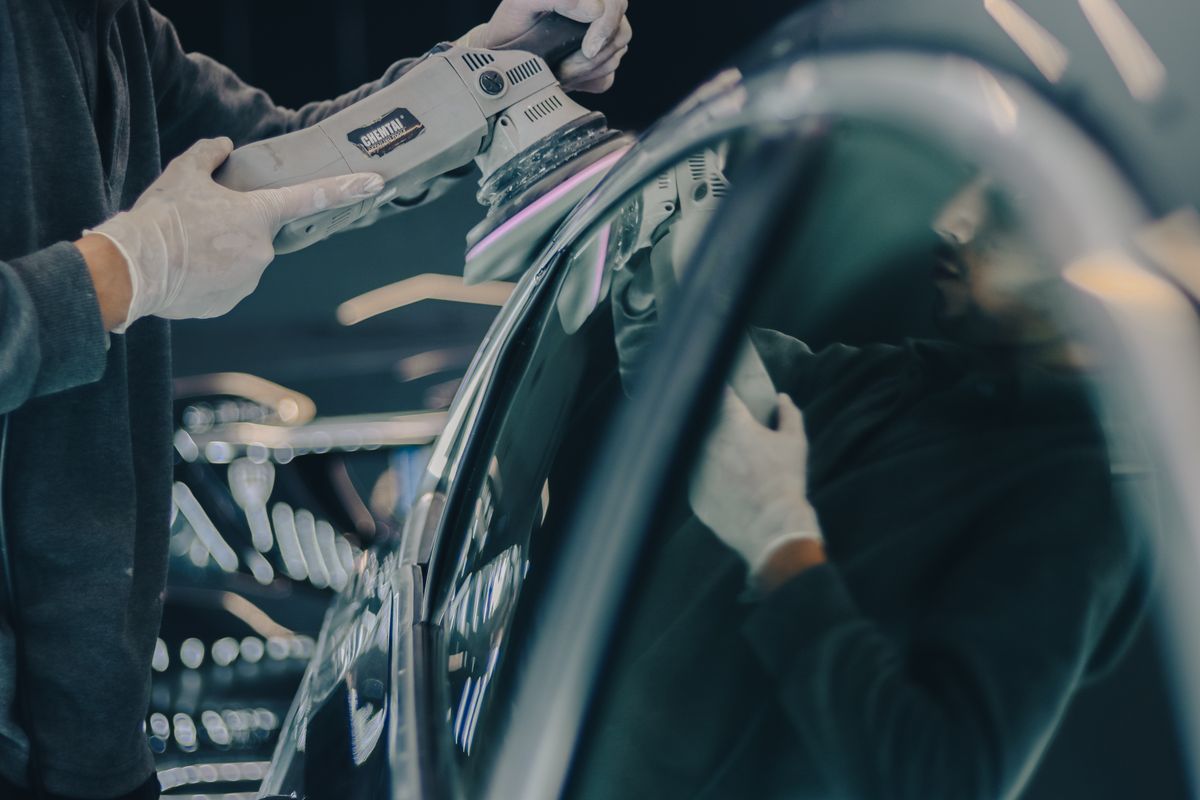
Is applying ceramic coating really that simple, though? Not quite. Those videos rarely show everything that happens before the coating goes on, or what can go wrong if it's rushed. Automotive ceramic coating involves much more than wiping a product onto your paint, and the gap between a DIY ceramic coating job and a result from professional ceramic coating services usually comes down to steps most car owners don't even know they're missing.
This article breaks down exactly what separates the two, and where ceramic coating protection genuinely comes from.
DIY Ceramic Coating: What's Actually Involved?
A proper DIY ceramic coating job isn't a weekend wax. If you're applying a ceramic coating for cars yourself, here's roughly what's involved:
- Washing the car thoroughly, then decontaminating the paint with a clay bar or chemical decontaminant to strip out embedded grit, tar and iron particles
- Inspecting the paintwork under good lighting for swirl marks, scratches or oxidation
- Correcting or at least reducing visible imperfections before coating, since the coating will lock in whatever's underneath it
- Fully degreasing the surface so no oils or residues are left behind
- Applying the coating in small, even sections without leaving high spots, streaks or uneven patches
- Working to the product's specific flash and cure times, which can be affected by temperature and humidity
- Curing the vehicle in a controlled environment, away from dust, rain and direct sun
That's a lot of steps for something that looked like a thirty-second job online. The preparation stage is arguably just as important as the coating product itself. A great ceramic coating for vehicles applied over poorly prepped paint won't look great for long.
Professional Ceramic Coating Services Go Beyond the Coating
A professional installer isn't just applying a different product. Ceramic coating services bring a structured process that most home garages can't completely replicate.
It starts with an actual inspection of the vehicle's paint condition, not a quick glance. From there, the vehicle can be washed and decontaminated to remove everything sitting on top of it before any correction work begins. If the paint has swirl marks, light scratches or oxidation, paint correction can be carried out to boost clarity and gloss before the coating is applied, something most DIY kits don't include at the same level.
Professional-grade products are typically applied in a controlled space, away from dust and temperature swings that can affect how a coating cures. Different paint systems can also respond differently to polishing and preparation, which is why experienced installers assess the vehicle before deciding how it should be prepared and coated. Curing can then be managed properly, rather than left to whatever the weather is doing that day.
A final inspection under proper lighting can pick up anything that needs correcting before the car leaves. And aftercare guidance, covering how to wash the car, what products to avoid, and when the coating will be fully cured, can be explained clearly rather than buried in a product insert.
Why Paint Preparation Matters More Than You Think
This is the part most people overlook. Ceramic coatings bond to the surface of your paint when they're applied. They don't magically correct what's underneath; they can leave existing imperfections visible beneath the coating.
That means swirl marks, fine scratches, water spots, paint haze and light oxidation can still be visible after coating, just with a glossy layer over the top. Contamination that wasn't fully removed during washing can also affect the finished result.
This is where paint correction before ceramic coating becomes relevant. Machine polishing to remove or reduce surface imperfections before coating can make a genuine difference to the final look: sharper reflections, better clarity, and a finish that actually shows off the coating rather than highlighting old damage.
For this reason, professional preparation isn't simply an extra step added to the process. It helps create the surface on which the ceramic coating needs to perform.
Common DIY Ceramic Coating Mistakes to Avoid
DIY ceramic coating isn't necessarily a bad choice, but mistakes during preparation or application can affect the final finish.
Some of the more common problems include:
- Applying the coating over paint that hasn't been properly decontaminated
- Skipping paint correction when the vehicle has noticeable imperfections
- Working in direct sunlight or unsuitable environmental conditions
- Applying too much product to a section
- Missing the recommended flash or wipe-off window
- Leaving high spots or uneven areas on the paint
- Using unsuitable cleaning products during the early curing period
- Checking the finish under poor lighting and missing application marks
The problem is that some mistakes aren't obvious until the coating has started to cure. At that point, correcting the issue can involve additional polishing or preparation rather than simply wiping the coating away.
Professional vs DIY Ceramic Coating: What's the Difference?
| Factor | DIY Kit | Professional Service |
|---|---|---|
| Surface preparation | Owner-dependent | Professionally assessed |
| Paint correction | Usually limited | Available where required |
| Application experience | Depends on user | Experienced technician |
| Product selection | Usually predetermined | Product selected for the application |
| Application consistency | Depends on skill | Controlled professional process |
| Curing | Home/environment dependent | Professionally managed |
| Final inspection | Owner | Technician |
| Aftercare advice | Product instructions | Personalised Professional guidance |
This doesn't mean DIY kits are poor quality, or that every professional job comes out flawless. It comes down to preparation, environment, and experience, all of which can vary much more in a home garage than in a controlled workshop.
Does Professional Application Provide Better Ceramic Coating Protection?
Ceramic coating protection isn't determined by the product alone. It's the combined result of product quality, surface preparation, application technique, environmental conditions during curing, and how you maintain the coating afterwards.
Done well, ceramic coating protection can genuinely help with water and dirt repellency through its hydrophobic properties, easier washing, added gloss, resistance to certain environmental contaminants such as bird droppings and tree sap, and some protection against UV-related paint deterioration over time.
Australia's UV environment is also worth considering. According to the Australian Radiation Protection and Nuclear Safety Agency (ARPANSA), Australia experiences some of the highest levels of solar UV radiation in the world due to its geographical location and proximity to the equator.
Ceramic paint protection doesn't make your paint scratch-proof or protect it from stone chips and physical impacts. A coating adds a protective surface layer, but it doesn't provide the impact protection of paint protection film.
The scale of Australia's vehicle fleet also shows just how many vehicles are exposed to everyday road and environmental conditions. BITRE reported 22.31 million registered motor vehicles in Australia as at 31 January 2025, an increase of approximately 2.6% from the previous year. For car owners, the important point isn't simply that Australia has a large vehicle fleet. It's that vehicle paint has to deal with regular exposure to sunlight, dirt, road grime and environmental contaminants.
Is Professional Ceramic Coating Worth the Extra Cost?
This is often the real question behind the DIY versus professional debate. A DIY ceramic kit may appear cheaper at first, particularly if you already have the equipment and experience needed to prepare and polish the vehicle. But the overall value isn't just about the price of the coating bottle.
Consider the time, equipment and preparation involved, as well as the potential cost of correcting an uneven application if something goes wrong. Professional ceramic coating services also bring experience, preparation, controlled application conditions and aftercare guidance into the equation.
For a new, high-value or well-maintained vehicle, many owners may prefer the consistency and convenience of having the work handled professionally. For an experienced enthusiast with the right tools, knowledge and workspace, DIY may still be a reasonable option. The better choice depends on your vehicle, your expectations and how confident you are with the preparation and application process.
When Does DIY Ceramic Coating Make Sense?
DIY isn't the wrong choice for everyone. It tends to suit people who:
- Already enjoy detailing as a hobby
- Have some experience with paint correction and machine polishing
- Have access to the right tools: an orbital polisher, quality applicators and proper lighting
- Can work in a clean, suitable space
- Are comfortable following detailed, technical instructions
- Understand that a rushed or skipped step can affect the final result
If that sounds like you, a DIY ceramic coating can deliver a solid result. It just takes more time, care and realistic expectations than the quick online demos suggest.
When Are Professional Ceramic Coating Services the Better Choice?
Professional ceramic coating services tend to make more sense for new or higher-value vehicles where you want a consistent, predictable finish and long-term paint protection.
They're also worth considering if your paint already has visible imperfections that need correcting, if you don't have a suitable space to control dust and environmental conditions during application, or if you'd simply rather not take on the risk of an uneven or premature application.
For most owners without detailing experience, ceramic coating services remove much of the guesswork and reduce the risk of a mistake that's difficult to correct once the coating has cured, while helping provide an added layer of paint protection against everyday environmental exposure.
How to Choose a Professional Ceramic Coating Service
Not all providers approach the job the same way, so it's worth asking a few questions before booking anything:
- How much experience does the installer have, and what does their preparation process actually involve?
- Do they offer paint correction, or only coating application?
- What environment is the coating applied and cured in?
- What warranty or product support comes with the service?
- Are they upfront about what ceramic coating can and can't do, or do the claims sound exaggerated?
- What aftercare advice do they provide once the car leaves?
A provider who explains their process clearly and sets realistic expectations is generally a better sign than one making a coating that "protects against everything."
Final Verdict: Professional Ceramic Coating or DIY?
DIY ceramic coating can work well for an experienced enthusiast who understands preparation, application and curing conditions. If you have the right tools, time and a suitable environment, it can be a rewarding option. However, professional ceramic coating services offer added value through a more controlled and comprehensive process, including:
- Thorough paint preparation to create the right surface for the coating
- Experienced application to reduce the risk of uneven coverage and high spots
- Controlled curing conditions to help the coating perform as intended
- Professional aftercare guidance to help maintain the finish over time
Ultimately, ceramic coatings are only as effective as the preparation, application and care behind them. If you enjoy detailing and have the necessary experience, a quality DIY kit may suit your needs. If you'd prefer a consistent finish without taking on the risks of preparation and application yourself, professional ceramic coating services can take much of the uncertainty out of the process. If you're considering ceramic coating protection for your vehicle, Peninsula Tint & Paint Protection can assess your car and help you determine the right level of preparation and protection for your needs.
Frequently Asked Questions
Are professional ceramic coatings better than DIY kits?
Professional ceramic coatings aren't automatically better simply because they're professionally applied. The key difference is usually the process around the product, including surface preparation, paint correction, application technique, curing conditions and final inspection. Professional services can provide greater consistency for owners who don't have the experience, equipment or suitable workspace for a DIY application.
Can I apply ceramic coating myself?
Yes, DIY ceramic coating is possible if you're comfortable with detailed preparation and application work. You'll need suitable cleaning and decontamination products, proper lighting, appropriate applicators and a suitable environment. You should also understand the coating manufacturer's instructions, including application, flash and curing requirements.
Does ceramic coating prevent scratches?
No. Ceramic coating can provide a degree of surface protection and help with resistance to certain environmental contaminants, but it does not make automotive paint scratch-proof. It also isn't designed to absorb the type of physical impacts associated with stone chips. Paint protection film is a more suitable option where impact protection is the priority.
How long does a professional ceramic coating last?
The lifespan of a ceramic coating depends on the specific product, preparation, application, environmental conditions and maintenance. Rather than assuming every coating lasts for the same period, ask the installer about the particular coating being used, its expected performance and the maintenance required to support it.
Is professional ceramic coating worth it?
For owners who value a consistent finish, thorough paint preparation and reduced application risk, professional ceramic coating services can offer significant value. DIY can make sense for experienced enthusiasts who already have the equipment, skills and suitable workspace. The right choice ultimately depends on your vehicle and how much time and effort you're prepared to invest.